

Good founders are still getting funded. Clear founders are getting funded faster.
That is the real signal in this week’s batch of free-to-read raises. Adcendo closed an oversubscribed $75 million Series C to push three ADC programs through upcoming clinical milestones. Calyxo locked in $40 million after its CVAC system reached 40,000 treated patients. Vivatides closed an oversubscribed $54 million Series A to move RNA therapeutics beyond liver-targeted delivery. Flora Fertility raised a $5 million seed round around a much narrower idea than “women’s health” or “insurtech.” It is portable fertility insurance. Specific problem. Specific wedge. Specific use of funds.
Breadth is still expensive. Investors are rewarding companies that make the next milestone easy to picture. Not just the mission. The next proof point. The next unlock. The next reason this round matters now.
The same rule applies here: tools only matter if they help you get to the next clear outcome faster. HubSpot’s free AI guide shows founders how to use ChatGPT to automate work, improve decisions, and create leverage without adding more noise.
Want to get the most out of ChatGPT?

ChatGPT is a superpower if you know how to use it correctly.
Discover how HubSpot's guide to AI can elevate both your productivity and creativity to get more things done.
Learn to automate tasks, enhance decision-making, and foster innovation with the power of AI.


Adcendo raised $75M because the path is legible
Adcendo announced an oversubscribed $75 million Series C led by Jeito Capital, with new participation from Vida Ventures, BPI France, and EIFO, plus support from its existing investors. The company said the money will advance three ADC programs through upcoming clinical milestones, including studies targeting tissue factor, uPARAP, and an undisclosed third target. See full article.
What this means for your raise: This is what strong financing logic looks like. Not “we’re building a platform.” Not “we’re expanding the team.” The company tied the round to named programs and near-term milestones. Founders should steal that discipline. Your round gets easier to underwrite when the next value inflection point is obvious.

Calyxo raised $40M after product adoption started doing the talking
Calyxo closed a $40 million Series F led by Ally Bridge Group and Janus Henderson Investors. The company said the financing follows a key operating milestone: more than 40,000 patients treated with its CVAC system, with proceeds going toward commercial expansion, clinical evidence generation, and continued product innovation. See full article.
What this means for your raise: The best fundraising story is usually adoption plus evidence. Calyxo did not need a giant category pitch here. It had usage, clinical momentum, and a clean use of proceeds. If traction is showing up anywhere in your business, put it closer to the top of the deck. The market trusts proof more than positioning language.

Vivatides raised $54M by attacking a real technical bottleneck
Vivatides announced an oversubscribed $54 million Series A co-led by Qiming Venture Partners and an unnamed industry fund, with participation from Highlight Capital, TF Capital, and existing investor Apricot Capital. The company said it will use the capital to advance its extrahepatic delivery platform, move multiple pipeline programs toward the clinic, and expand its global team and R&D network. See full article.
What this means for your raise: Deep tech lands better when the bottleneck is easy to explain. This is not just an RNA story. It is a delivery story. That matters. If your company is technical, make sure investors can quickly see the constraint you are removing and why that changes the market.
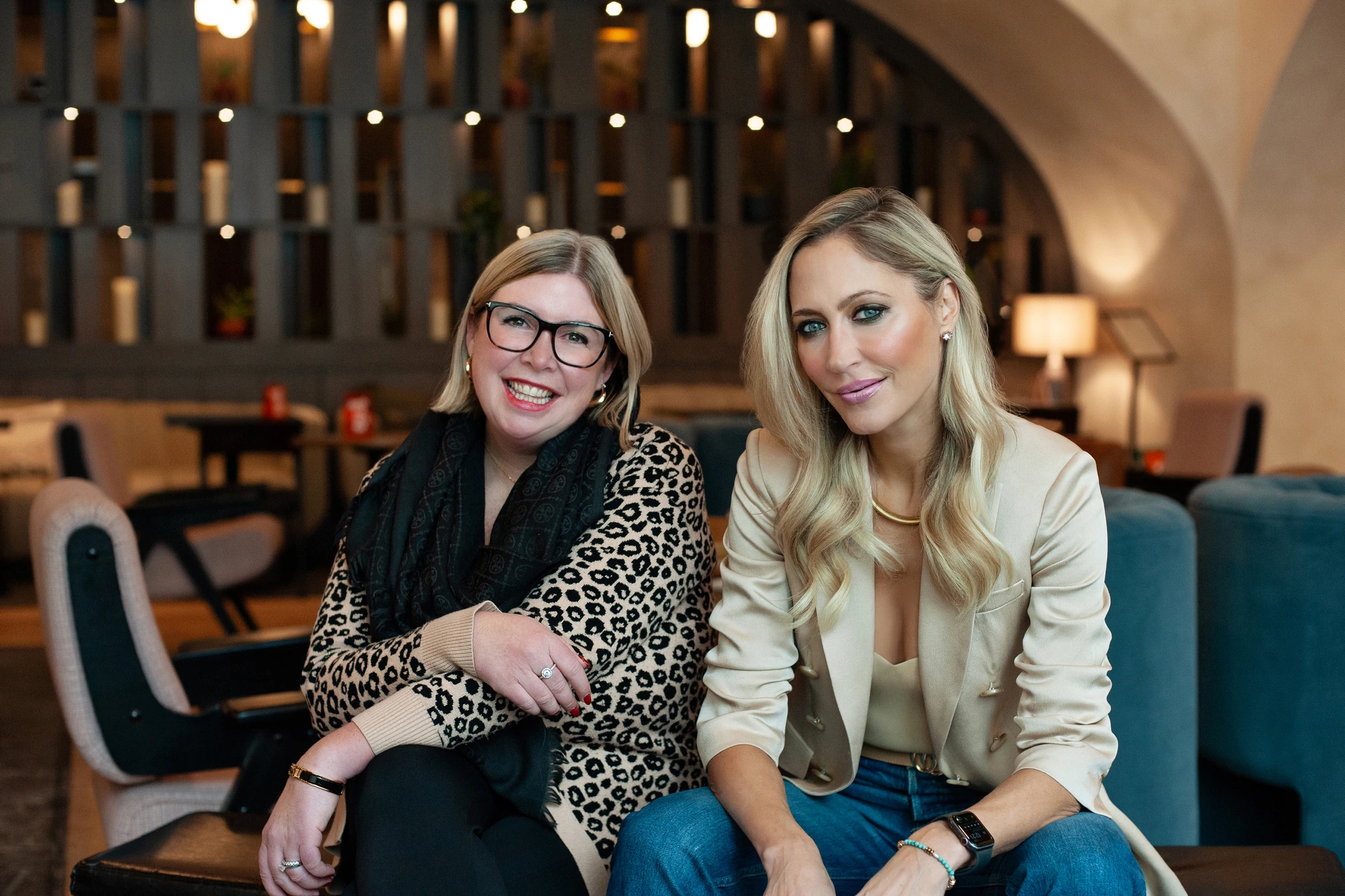
Flora Fertility raised $5M by creating a tighter category
Flora Fertility closed a $5 million seed round led by ManchesterStory, with participation from Slauson & Co., TruStage Ventures, BDC Capital, Marathon Fund, Adara Ventures, and strategic angels. The company says it is building an individually owned fertility insurance platform and will use the capital to expand access across the U.S. and later Canada. See full article.
What this means for your raise: Crowded categories do not need bigger stories. They need sharper ones. Flora did not try to be all of insurtech or all of women’s health. It picked one expensive, undercovered problem and built the narrative around it. That is how you get remembered in a noisy market.

Lightcast raised $27M by turning commercialization into the story
Lightcast closed a $27 million financing from existing investors and said the proceeds will support the full commercial release of its Envisia benchtop platform in 2026. The company also said the funding will help expand its single-cell assay portfolio and hit manufacturing, software, and technical readiness milestones. See full article.
What this means for your raise: “Commercialization” is a stronger fundraising story than “more development” when you can make it credible. Lightcast made the rounds about getting a real product fully into the market. That gives investors a much clearer reason to believe the next step will create value.

This-or-that: which “constraint removed” story is most repeatable in a pitch?


Clarity wins. The easier it is to see what buyers, users, or now even AI agents are actually doing with your docs, the easier it is to tighten the story and spot what’s getting missed. See your AI traffic here.
Are you tracking agent views on your docs?

AI agents already outnumber human visitors to your docs — now you can track them.


Most decks explain the company. Fewer explain the financing logic.
Use this structure:
We are raising: $X
To achieve: [specific milestone]
By: [specific date or runway window]
Which unlocks: [why the company becomes more valuable]
Current proof: [traction that says this is realistic]
Example:
We are raising: $3M
To achieve: 12 enterprise customers and $1M ARR
By: Q2 next year
Which unlocks: a repeatable Series A story
Current proof: 5 paid customers, 2 expansions, 35% of pipeline from referrals
WHY THIS WORKS
This works because it turns the round into a de-risking plan. And that is what investors are actually trying to buy.
The companies above all made the next step feel concrete, whether that was a clinical milestone, broader commercialization, more patients treated, or a sharper category rollout.

Jeito is worth watching this week because it led Adcendo’s $75 million Series C. Adcendo’s release also says Jeito recently closed Jeito II at €1 billion, which it described as the largest independent European fund dedicated to biopharma. That matters because specialist funds with fresh capital and a clear thesis tend to move with more conviction when the fit is real.

The market is still funding companies that make the next step easy to believe. If your raise narrative still feels broad, tighten the milestone, sharpen the wedge, and make the use of funds impossible to misread.

I'm Marcus Cole. I spent four years on the investor side at a $200M seed fund in New York, reviewing 800+ decks a year, sitting in partner meetings, watching founders win and lose at the table.
Then I crossed over. Raised $4.2M across two companies. One got acqui-hired after a $1.4M raise. The other raised $2.8M seed and is still running.
I've been in your seat and theirs. Capital Raise is what I wish I'd had while raising: straight talk, no waste, built for founders who are actually in it.
Disclaimer: Capital Raise is a newsletter for informational purposes only. Nothing in this newsletter constitutes investment advice, financial advice, or a solicitation to invest.
Always do your own due diligence. Consult a licensed financial advisor before making investment decisions.